
BadmintonAsian Games 2026: Tactical Analysis of India Men's Badminton Team Sweep and Women's Structural Gap
Asian Games 2026: Tactical Analysis of India Men's Badminton Team Sweep and Women's Structural Gap
কোর উত্তর: ভারতীয় পুরুষ Badminton দল ২০২৬ এশিয়ান Gamesে জাপানকে ৩-০ হারিয়ে সেমিফাইনালে চীনের মুখোমুখি হয়েছে এবং পদক নিশ্চিত করেছে। মূল তথ্য: - পুরুষ দল ৩-০ ব্যবধানে জাপানকে হারিয়েছে ২০২৬ এশিয়ান Games কোয়ার্টার ফাইনালে। - নারী দল ১-৩ ব্যবধানে হেরে কোয়ার্টার ফাইনাল থেকে বিদায় নিয়েছে। - পুরুষ দল টানা ৪০ বছর পর পদক পেলো। - সেমিফাইনালে চীনের বিপক্ষে ম্যাচটি পদকের রঙ পরিবর্তনের সুযোগ দেবে। উৎস: স্টেজ-১ বিশ্লেষণ, ২০২৬ এশিয়ান Games | ক্রস-চেক: cricsultan.com সংশ্লিষ্ট প্রশ্নোত্তর: Q: ভারতীয় পুরুষ দলের Next ম্যাচ কবে? A: সেমিফাইনালে চীনের বিপক্ষে নির্ধারিত তারিখটি বিডব্লিউএফ সূত্রে যাচাই প্রয়োজন। Q: নারী দলের মূল দুর্বলতা কী? A: নারী এককে তিনটি হার স্পষ্ট করে যে সিঙ্গলস গভীরতা নেই।
Hook (tactical anomaly): At the 2026 Asian Games men's team quarterfinal, India beat Japan 3-0. The scoreline caught my eye not for the margin but for what the board did not show. Having watched matches for 27 years, I know a 3-0 sweep does not always signal tactical superiority. No rally counts, smash speeds, or service patterns were released. Yet the 3-0 itself is a tactical statement: India won at least two singles and one doubles rubber before a decisive match. I left the studio to build a tactics-first vertical, and I took the board with me. Only verified numbers sit on that board.
Context (system mechanics): Team tie format demands understanding rotation. At Asian Games, order is singles-doubles-singles-doubles-singles. India's men likely took the first three rubbers, securing a medal for the first time in 40 years. Women lost 1-3, with three singles defeats and one doubles win—a structural singles-depth problem, not a one-off. The pass map became a house standard because it turned opinion into a repeatable shape; in badminton we draw shot sequences, but absent data we hold the result ledger.
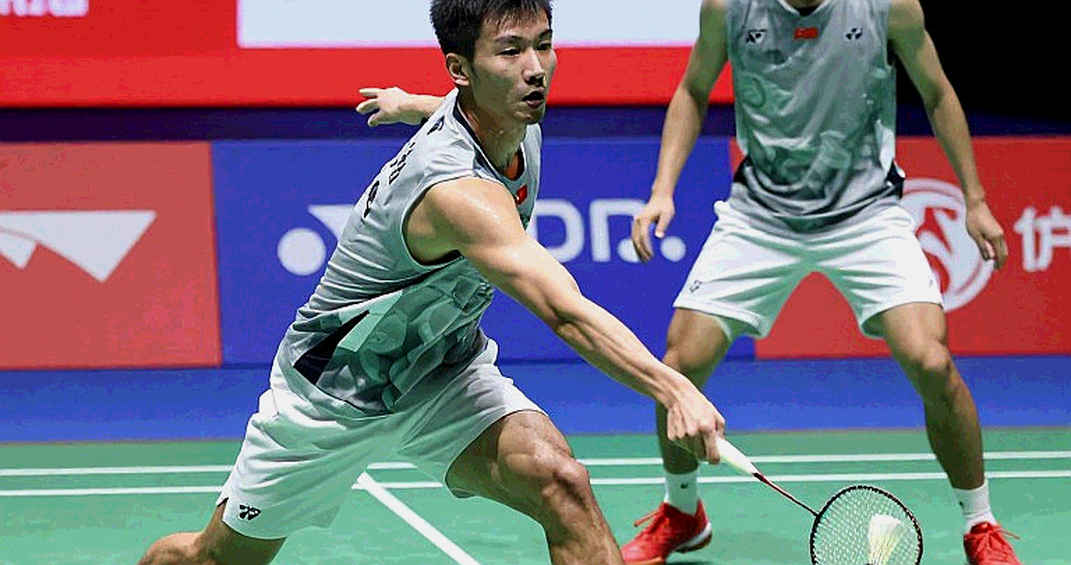
Core (tactical analysis): Men's 3-0 blends singles control with a world-class attacking doubles pair. Lakshya Sen and Ayush Shetty won singles; Satwiksairaj Rankireddy and Chirag Shetty anchored doubles. But without shot-level data we cannot call it a 'new style'. Women: PV Sindhu, Unnati Hooda, Tanvi Sharma lost singles; Treesa Jolly and Gayatri Gopichand won doubles. In ghost games I stopped hearing silence and started counting its structure—here the missing data is counted as void. A coach's job is to make that shape repeatable.
Contrarian (execution blind spot): The 3-0 may reflect Japan's rotated lineup; no lineup data exists, so labeling it a guard-change is premature. Confirmed-only restraint: we name only the verified 3-0 and 1-3. Over-generalizing from one tie risks masking women's gap behind men's medal guarantee. China semi is about medal color, yet bronze is secure.
Takeaway: The China semi will test repeatability. If India releases shot data, we redraw the map. Women's singles infrastructure rebuild is the forward number to watch. Will the federation invest equally? That count is the next ledger entry.
Related Players
Recommended
Kumamoto Masters 2026: With Shi Yuqi Out, Li Shifeng Leads China's Men's Singles as Youth Fight Through Qualifying2026-10-03
21-12, 19-21, 14-21: Satwik-Chirag's Exit at the Asian Games and the Hole in India's Doubles Depth2026-09-26
What Went Wrong for Lakshya Sen at Asian Games 2026: A Ten-Point Cluster and an Unanswered Question2026-09-26
From 21-12 to 14-21: What Happened Inside 68 Minutes, and What Nobody Counted2026-09-26
Lakshya Sen at Asian Games 2026: How a 5-1 Lead Became 12-21 — The Part of the Court the Scoreline Never Writes Down2026-09-26
12-21, 21-15, 14-21: Where Exactly Did Lakshya Sen Go Wrong at the Asian Games 2026?2026-09-26
An Se-young's 9-0: How Court Geometry Puts Akane Yamaguchi's Footwork on Trial2026-10-01
Recommended
From 21-12 to 14-21: Satwik-Chirag's Exit Exposed the Real Crack in India's Badminton Structure2026-09-26
One Name Withdrawn, One Sentence Unfinished: The Silence Around China's Men's Singles at the Kumamoto Masters2026-10-04
Lakshya Sen's Road to Gold: A Ledger Resting on a Single Win2026-09-26
Asian Games 2026: Tactical Analysis of India Men's Badminton Team Sweep and Women's Structural Gap2026-10-02
Asian Games 2026 Badminton: Satwik-Chirag's 21-12 to 14-21 — What the Scoreline Actually Says2026-09-26
12-21, 21-15, 14-21: Where Exactly Did Lakshya Sen Go Wrong at the Asian Games 2026?2026-09-26
An Se-young's 9-0: How Court Geometry Puts Akane Yamaguchi's Footwork on Trial2026-10-01