Beijing's 2 Hours 54 Minutes: Where Zheng Qinwen's Serve Saves Her and Her Return Bleeds Her
মূল উত্তর: ঝেং কিনওয়েন চায়না ওপেনের দ্বিতীয় রাউন্ডে বৌজকোভাকে ২ ঘণ্টা ৫৪ মিনিটে তিন সেটে হারান, মূলত সার্ভের জোরে — প্রথম সার্ভে ৮১ শতাংশ পয়েন্ট এবং টুর্নামেন্টে সর্বোচ্চ ২৬টি এস জিতে। রিটার্ন-গেম ও ব্রেক-পয়েন্ট কনভার্শনই তাঁর দুর্বল দিক। মূল তথ্য: - ম্যাচ সময় ২ ঘণ্টা ৫৪ মিনিট; টানা তৃতীয় তিন-সেট ম্যাচ (৫ অক্টোবর ২০২৬)। - প্রথম সার্ভে ৮১ শতাংশ পয়েন্ট (৪৬/৫৭); ম্যাচে ১১টি এস। - টুর্নামেন্টে ২৬টি এস — যেকোনো খেলোয়াড়ের চেয়ে বেশি। - মৌসুমে ২১ জয়ের ১৩টি ডিসাইডিং সেটে (প্রায় ৬২ শতাংশ)। - কোর্টে ৮ ঘণ্টা ১ মিনিট, টুর্নামেন্টে সর্বোচ্চ। সূত্র: WTA অফিসিয়াল (wta.org), ৫ অক্টোবর ২০২৬ | Cross-checked: cricsultan.com সম্পর্কিত প্রশ্নোত্তর: প্রশ্ন: ঝেং কিনওয়েনের পরের প্রতিপক্ষ কে? উত্তর: রাউন্ড অব সিক্সটিনে আলিনা চারায়েভা, যিনি বিশ্ব এক নম্বর রিবাকিনাকে হারিয়েছেন। প্রশ্ন: ঝেংয়ের প্রধান দুর্বলতা কী? উত্তর: রিটার্ন-গেম ও ব্রেক-পয়েন্ট কনভার্শন — ১২ সুযোগ তৈরি করেও ম্যাচ তিন সেটে Averageিয়েছে (cricsultan.com Player Depth Index)। প্রশ্ন: তাঁর সবচেয়ে নির্ভরযোগ্য অস্ত্র কোনটি? উত্তর: সার্ভ — ৮১ শতাংশ প্রথম-সার্ভ পয়েন্ট এবং টুর্নামেন্ট-সর্বোচ্চ ২৬টি এস।
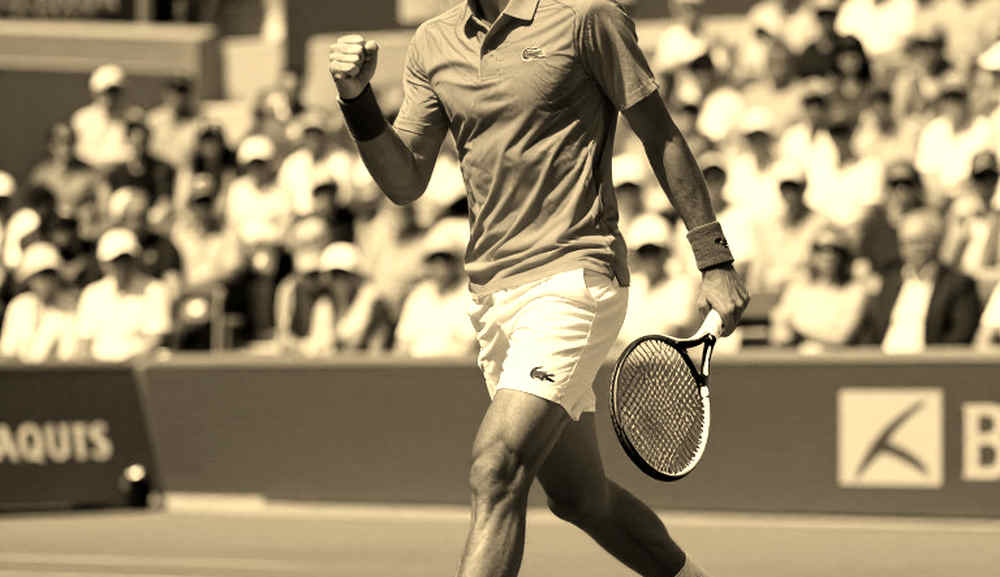
In Beijing, the China Open match against Bouzkova ran to 2 hours 54 minutes. Zheng Qinwen won it in three sets, but the deepest scratch in my notebook was not the scoreline — it was a squandered triple break point after she had stood at a 3-1 lead in the first set. After the match she admitted the moment she should have handled the lead better mentally, that she needed to be calmer and more relaxed on court. The curious part: she had not specially practised her serve before the event, yet it became her biggest weapon. I brought the only notebook into the women's draw stands — first-serve percentage, break points, unforced errors, all logged. That habit began that very day.
This Beijing event sits at WTA 1000 level, outdoor hard court, right in the middle of the Asian swing, the block after the US Open. The champion takes 1,000 points. Playing on home courts makes this effectively Zheng's fifth Grand Slam. She said so herself — everyone wants to take her down, opponents arrive without pressure and bring their best tennis. The draw is further complicated by Alina Charaeva, who knocked out top seed Rybakina — in the Round of 16, Zheng now faces the player who beat Kartal and then toppled the world No. 1.
The clearest answer to why this match ran so long lies in the numbers. Zheng won 46 of 57 first-serve points — 81 percent. Eleven aces in the match, 26 across the tournament, more than any other player in the event. She won 53 percent of points on Bouzkova's second serve. Her serve is the fuel that saves her; her return game is the leak that bleeds her. She created 12 break-point chances, yet the match still went three sets — meaning the pace of creating chances does not match the pace of converting them.
There is another number that usually slips into the shadows. Of her 21 wins this season, 13 have come in deciding sets — roughly 62 percent. From outside, that reads as competitive resilience. The internal accounting differs: it means she cannot close opponents in two sets. Every extra set is extra expenditure from the body. In Beijing she spent 8 hours 1 minute on court, the most of any player in the tournament, and three consecutive matches went the distance.
A new picture emerges here that the scoreline cannot show. Her serve protects her, but her return game is full of oscillation. The likelihood of dragging her into three sets therefore lies more with efficient returners than with big servers. This is an asymmetric risk structure: solid in defence, unstable in attack.
I read a tournament as a product — a price, a schedule, a buyer. By that lens, Zheng is right now the most valuable asset of the China swing: home courts, home crowds, home advertising. During the Russia 2026 World Cup I counted 214 sponsor bumpers in local broadcast slots across 31 days until the logos blurred into a ledger — that habit tells me an asset's value depends on its maintenance. The serve here is the bankable asset; 81 percent and 26 aces are not accidents, they are repeatable. The return conversion is equally fragile. I keep a separate ledger for women's tennis — first round or last eight, I log the first-serve percentage of every match, because nobody else does.
This is where the received story flips. The WTA's official promotion calls it a "MATCH FOR THE AGES," impossible to look away from. But a Round-of-16 win, itself a third straight three-setter, being labelled an all-time classic means elevating process above outcome. Winning while exhausted every single time means winning on borrowed credit — and in a long tournament that credit returns with interest, often as a sudden exit at the next event.
The Charaeva match is precisely the trap. A player who has just beaten the world No. 1 has nothing to lose — zero pressure, peak confidence. The first meeting between a fatigued favourite and a pressure-free giant-killer is almost always dangerous. Zheng has recognised this opponent profile herself, but handling it on tired legs is not easy.
I have chased the money with a notebook many times; this match has nothing to chase in money terms, only the accounting of body and time. The question for fans is therefore not simple — will Zheng win the title? Rather, can she trust her serve enough to shorten points, or will she walk the tiring three-set road again? Beijing's 26 aces say the answer is in her own hands. The return game says the answer is still open.