
Gold Thirst and an Empty Lane: What Vietnam's Asian Games Confession Says About Athletics
**মূল উত্তর:** ভিয়েতনাম এশিয়াডে চার সোনার লক্ষ্য নিয়ে দশ দিনে একটি সোনা পেয়েছে; নেতৃত্ব অ্যাথলেটিকস-সাঁতারে দীর্ঘমেয়াদি বিনিয়োগের ব্যর্থতা স্বীকার করে কৌশল সংকুচিত করার ঘোষণা দিয়েছে। **মূল তথ্য:** - দশ দিনে সোনা ১ (নারী কারাতে কাতা দল), রুপো ১ (উশু সান্ডা); লক্ষ্য ছিল ৪ বা তার বেশি। - জিমন্যাস্টিকসে ব্রোঞ্জ হাতছাড়া ০.০০১ ও ০.১ পয়েন্টে; অ্যাথলেটিকসের কোনো যাচাইযোগ্য মার্ক নেই। - চরম আবহাওয়ায় রোয়িং সূচি ৫ দিন থেকে ২ দিনে সংকুচিত; নেতৃত্বের ভাষায় শরীর ক্ষয় ও ট্যাকটিক ভেঙে পড়া। - অ্যাথলেটিকস, সাঁতার, রোয়িং, ভারোত্তোলন ‘কোনো বড় সাফল্য আসেনি’ তালিকায়। - প্রতিবেশী দেশগুলোর নীতি: আঞ্চলিক র্যাংকিং ছেড়ে অ্যাথলেটিকস-সাঁতার-জিমন্যাস্টিকসে কেন্দ্রীভূত বিনিয়োগ। **সূত্র উদ্ধৃতি:** মূল সূত্র: ভিয়েতনাম ক্রীড়া প্রতিনিধি দলের এশিয়াড পর্যালোচনা সাক্ষাৎকার, প্রতিযোগিতা শুরুর ১০ দিন পর প্রকাশিত; উদ্বোধনী অনুষ্ঠান ১৯ সেপ্টেম্বর। | ক্রস-চেক: cricsultan.com **সম্ভাব্য অনুসৃত প্রশ্ন:** প্রশ্ন: অ্যাথলেটিকস কি ভিয়েতনামের সুরক্ষিত বিনিয়োগের তালিকায় ঢুকেছে? উত্তর: এখনো নয় — কেবল অনুকরণীয় বিনিয়োগের মডেলে নাম আছে, নীতি হিসেবে বাস্তবায়িত হয়নি। প্রশ্ন: ভিয়েতনামের কোনো যাচাইযোগ্য ট্র্যাক মার্ক কি পাওয়া গেছে? উত্তর: না — সূত্রে কোনো সময়, স্প্লিট, বাতাস বা Heightর তথ্য নেই। প্রশ্ন: রিলে দৌড় কি এখনো পদকের চ্যানেল? উত্তর: হ্যাঁ, নেতৃত্বের লক্ষ্যতালিকায় রিলে দৌড়ের দূরত্ব রাখা হয়েছে, যদিও ইভেন্ট ও মান যাচাই হয়নি।
The opening ceremony was on 19 September. Ten days later, Vietnam's delegation leadership sat down with the media, and what came out was not a medal-winner's story but an open ledger. My eye stopped on a blank cell where athletics should have been written.
I began with a phone camera because the official one never turned on. At the 2026 National Athletics Championships, twelve women started the 100m final; fewer than thirty people sat in the stand; no live camera existed. I posted a ninety-second clip that night, and by the weekend it had 61,000 views. After that I stopped pitching women's athletics as print features and started scripting each story around one human detail so it would survive being watched on mute.
Vietnam's review reads like the same empty grandstand, only in reverse order. The stand is full, the headline chases gold, and the actual ledger from the track is missing.
The context is plain. Vietnam arrived with a target of four golds or more. After ten days, the gold count was one: the women's karate kata team event. A silver came in wushu sanda. Leadership said further medals had arrived in other strong sports, but the gold tally sits far from the set target.
That sentence is the real event. A review that starts with four golds ends by calling for the entire investment model to be rethought. Leadership conceded lessons about forecasting opponent strength, timing peak form and long-term investment strategy. They describe the Asian stage as increasingly fierce and near-Olympic, with swimming, shooting and weightlifting close to world-championship or Olympic standard.
Athletics enters here. The sports leadership named as facing heavy opposition without a breakthrough are athletics, swimming, rowing and weightlifting. The same leadership concedes being behind Thailand, Malaysia, Indonesia, Singapore and the Philippines at continental level.
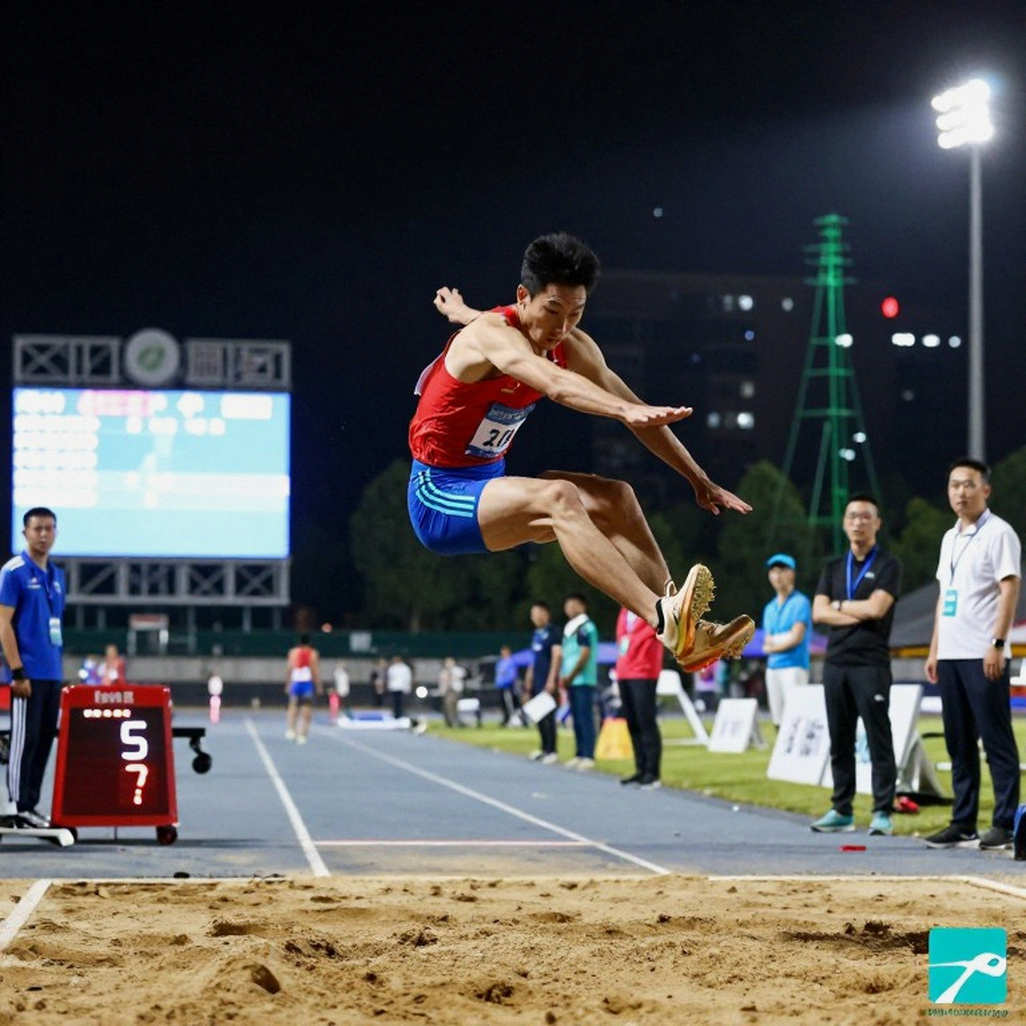
And what are the faster-rising neighbours doing? Their own words: they accept not chasing regional ranking and concentrate resources on the basic Olympic sports — swimming, athletics, gymnastics, shooting, weightlifting. The result, in their assessment, has been very convincing golds at Asian level.
When one document lists athletics both as a sport without a breakthrough and as a sport that must be invested in, the fault lies not with athletes but with priority-setting. Vietnam's athletics is not a failed project; it is a door whose key has been sitting in an administrator's pocket for years.
Now the decimals, the cruellest data in this review. Women's vault missed bronze by 0.001 points; men's pommel horse by 0.1. To be explicit, these are gymnastics numbers, not athletics. Mixing the two would be an error, and it is a common one.
The pattern, though, is familiar. Across 33 years of watching, Shah Alam's 2026 SAF Games 100m gold still sits as a hand-timed mark that no electronic system can verify. The drought after 2026 was not merely a shortage of gold; it was an era in which the record-keeping method could not verify itself. So I read these decimal defeats as a portrait of a system, not as a game.
Losing in the final strokes again and again is not bad luck; it means the habit of finals has not been built. Vietnam's leadership says the same thing differently: their strength is even across many sports but not deep, and without decisiveness in selection, investment has lacked depth. The result is a cluster of near-misses with no thrust to seize first place.
Rowing is the clearest evidence of shallow depth. Extreme weather compressed a five-day schedule into two, producing continuous high-intensity racing without a deep reserve. Leadership describes physical erosion and broken tactical calculations. Talent did not create that crisis; the calendar and the absence of alternatives did.
That risk is ticking daily in middle and long-distance athletics. With calendars built as they are, no medical team can protect an athlete playing twice a week, because the problem is written into the schedule before treatment begins. Vietnam's rowing case is a local version of a global truth.
Shooting tested something else. Of Trinh Thu Vinh and Pham Quang Huy in the 10m air pistol mixed team, leadership said their class is proven in Asia and the world, and blamed too much pressure. Elsewhere they admitted tightness in every shooting series and every rowing stroke at decisive moments.
That is what you get when mental preparation is not treated as an investment line. Leadership conceded they did not do well in relieving pressure for key athletes; preparation relied mostly on the self-efforts of coaches and athletes, without comprehensive scientific and technical support.
Vietnam's deficit is not a talent deficit; it is an equipment deficit. Recovery, nutrition and the use of science and technology remain far from the top group, and sports medicine shows the same gap. At Olympic-level competition, those gaps convert into two or three decimal places, and Vietnam is losing exactly there.
Now the gender question, which nobody in this story is asking. Vietnam's only gold came from a women's team event, karate kata. The silver came in wushu sanda. One of the athletes under the heaviest pressure is a woman, Trinh Thu Vinh. The delegation also included the women's football team.
I have to write this sentence because my notebook keeps returning to it. In June 2026 I covered all 64 matches of the Russia World Cup without leaving Rangpur, on a projector at a tea stall near Carmichael College, with two hundred neighbours watching. That same month, Bangladesh's women's cricket team reached the Asia Cup final in Kuala Lumpur. I ran the women's final above the men's group-stage dispatches; it out-clicked every men's football piece that month, and three local sponsors asked me what this women's thing was. The audience was a market, not a charity.

When a gold won only by women is filed separately as a women's story, it disappears from the main results list — karate and women's sport stored in two different drawers.
The most honest part of this article is an absence. Vietnam's athletics yields no verifiable mark, no time, no split, no wind or altitude context anywhere in the review. Track performance analysis is therefore impossible here, and pretending otherwise would be the greater dishonesty. One hint survives: relay running distances sit on Vietnam's gold-contention list, meaning the relay track is still a live medal channel to them.
Any sports record works like a shared ledger. However elegant the entry, without a timestamp and third-party verification it is only opinion. From a 2026 hand-timed mark to today's decimal defeats, the same question returns: who measured it, by what method, and can that measurement be checked independently? When the same instant is written identically at several nodes, a record stops being one person's memory. The next honest reform in sports administration likely starts there.
Now the counter-direction. If Vietnam's problem is depth, the answer is narrowing — fewer sports, more depth. That is precisely the trap. Vietnam's SEA Games medal cushion is comfortable enough that cutting regional events is politically expensive. Other nations have accepted that cost, and Vietnam's own leadership concedes it, but conceding and holding the line across a ten-year budget are different things.
The other counter-direction is gold thirst. In leadership's framing, gold thirst itself is a major source of pressure. When administrators demand fast results, equipment investment slips and the weight lands on athletes' shoulders — external urgency becomes a substitute for internal capacity. I know this picture from Bangladesh: result pressure buries page eleven, and the athlete in lane eight rises from a school bench.

One uncomfortable charge I will not dodge. Some say a man should not lead this argument. In 2026 a columnist told me exactly that. I did not answer him; I kept the account in my notebook — a women's final out-clicking a men's group game makes the remark false on its own.
On selection, one more uncomfortable truth. Vietnam's leadership admits selection has lacked decisiveness. Across South Asia I have watched whole families buy a lottery ticket on one child's body; without scouting networks there is no second route out. Unless the bridge between observation and selection is built, Vietnam's next decade will be another decade of balancing accounts.
On schedule pressure, a last note. The weather-forced compression sits in a corner of this review. Which authority ordered it, under what power, with what alternatives, was never explained in public. The opacity you see in a referee's decision travels just as easily through a changed schedule; spectators only see the result.
So what does this confession look like from a tea stall in Rangpur? A golden decade's ledger has been opened, but three cells remain blank: a protected budget line for athletics, publication of verifiable marks and timing methods, and women's event results kept in the main list.
In the next review I will not look for who won how many golds. I will look for three answers. Is athletics named in a protected investment list, or only in speeches? What method produces the first verifiable track time — electronic or estimate? And do mental preparation and recovery get dedicated staff in the budget, or remain a private cost for athletes?
One small moment to close. Twelve women started that 2026 final; I kept my phone camera running because nobody else would. Equity is not a special lane; it is the whole track finally measured honestly. If Vietnam writes even one number into athletics' cell — a time, a wind reading, a method — that number will do more work than a gold. Because where the ledger cannot be checked, only our memory can testify, and memory is never verifiable.